

Core Aims & Objectives
Building Resilient & Equitable Societies
Empowerment & Social Justice
Empower women, children, and the elderly to achieve independence and dignity, advocating for rights and gender equality.
Poverty Alleviation & Livelihoods
Provide economic opportunities, vocational training, and resources to break the cycle of poverty and promote sustainable incomes.
Community Development
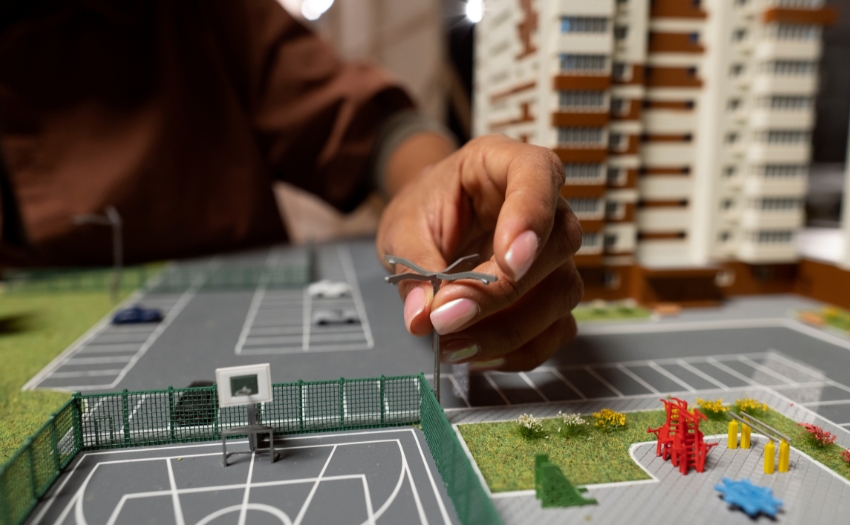
Build strong, self-reliant communities through improved infrastructure (schools, health centers) and fostering social cohesion.
Humanitarian Aid
Offer immediate relief (food, shelter, medicine) and long-term rehabilitation post-disaster, providing psychosocial support.
Sustainable Development
Integrate environmental conservation with social and economic progress, promoting green practices and resource management.
Specific Objectives (by Sector):
Women & Child Development
Skill development, economic independence, awareness on rights, child protection, quality education.
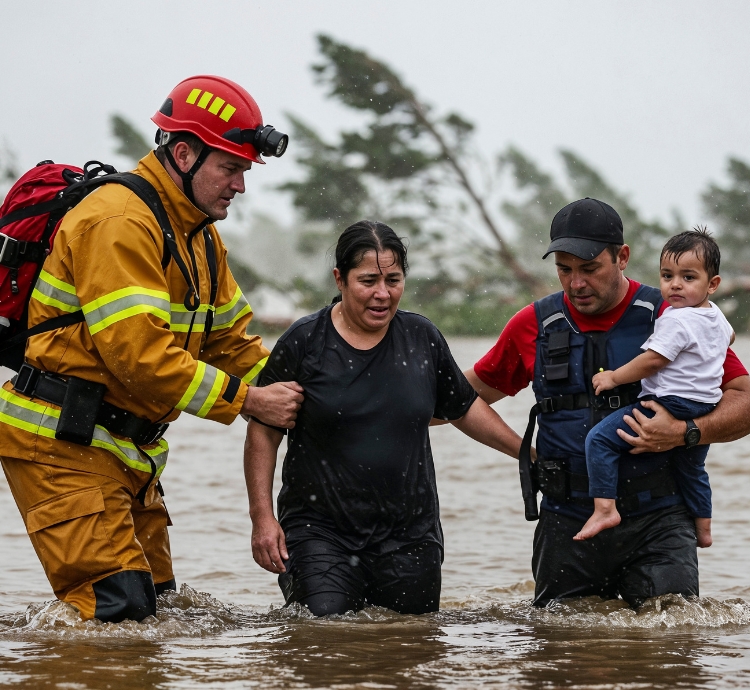
Disaster Management
Preparedness training, resilient infrastructure, rapid relief & rehabilitation, psychosocial care.
Elderly
Healthcare, emotional support, dignity restoration, social engagement, security.
Livelihood & Poverty: Income generation, microfinance, skill-building, access to resources, anti-poverty programs.
Environment: Reforestation, conservation, pollution control, sustainable agriculture, climate awareness.
Education
Quality access for underprivileged, literacy programs, scholarships, bridging educational gaps.
Health: Healthcare access, vaccination, maternal & child health, health education, hygiene promotion.
Water & Sanitation (WASH)
Clean water access, sanitation facilities, hygiene education.
Animals & Wildlife
Conservation, welfare, anti-poaching efforts, habitat protection.
Accidents & Traffic Safety
Awareness campaigns, training, policy advocacy for safer roads.
Our Modes Of Action
Service Delivery
Community Mobilization
Capacity Building
Advocacy & Policy
Service & Empowerment Values
Empowerment & Dignity
Inclusivity & Diversity
Service & Community-Centricity
Core Vision & Strategic Pillars
Women & Child Development
A smart shift towards “Agency-First” models. Instead of just aid, provide digital literacy and financial inclusion to empower women as “community entrepreneurs”.
For children, integrate safe, caring environments with early childhood development (ECD) to break poverty cycles.
Disaster Management
Implement the Relief, Recovery, and Rebuild (RRR) cycle. We would use a “Disaster Ready Model” for villages that prioritizes local volunteer training and rapid-response networks.
Elderly & Human Service
Focus on “Dignity-Aging,” ensuring seniors and differently-abled individuals live with respect through dedicated community learning centers and specialized medical camps.
Livelihood & Poverty Alleviation
Transition from “Distribution of Things” to “Sustainable Self-Reliance.” Use microfinancing to foster small businesses and link local artisans directly to global markets.
Health & WASH (Water, Sanitation, Hygiene)
We would adopt a “One Water” framework that treats water as a holistic community asset. Deploy mobile health clinics for doorstep medical care and train local women as primary health workers to reduce maternal and infant mortality.
Education
Provide “Life-Link Education” that combines basic schooling with market-relevant vocational training, ensuring youth have a direct path out of poverty.
Environment, Animals & Wildlife
Implement “Harmonious Co-existence” strategies to mitigate human-wildlife conflict while putting nature at the heart of economic planning. Focus on climate-smart farming and nature-based solutions like mangroves and urban forests.
Accidents & Traffic Safety
Integrate “Public Utility Programs” into community development, using volunteer networks to enhance road safety and emergency response for accidents.
Our Innovative Operational Models
- Digital Ecosystems: We'd be using digital platforms to track the real-time impact of social programs and facilitate direct donor-to-beneficiary transparency.
- Community-Driven Ownership: Gradually we would shift power to Community-Based Organizations (CBOs) so they lead their own development rather than being passive recipients.
- Model Village Projects: We'll Create "Smart Model Villages" that serve as labs for integrated development, testing everything from solar-powered sanitation to community-led traffic management.
Core Mission Statement
Core Philosophy: The "Nexus of Well-being" Approach
Women & Child Development
Beyond basic care, our mission is to build “secure childhoods for secure futures” and empower women as key drivers of community health and economic stability.
Disaster Management
Moving from reactive relief to pre-disaster preparedness and community-led resilience through early-warning systems and capacity building.
Education & Livelihood
Ensuring “equitable access to quality education” while simultaneously providing vocational training tailored to future job markets to break generational poverty cycles.
Health, Water, & Sanitation
Deploying innovative “mobile health clinics” to remote areas and integrating sustainable water systems into local infrastructure to prevent disease before it starts.
Elderly & Human Service
Ensuring “dignity in retirement” by providing holistic support for seniors and essential medical resources for the marginalized.
Environment, Sustainable Development, & Poverty Alleviation
Combating climate change through “harmony with nature” and closing the gap between “haves and have-nots” by leveraging local renewable resources.
Accidents & Traffic Safety
Integrating public awareness campaigns into community development to safeguard lives on the road.
Animals & Wildlife
Protecting global biodiversity by “reconciling human needs with the needs of other species” to ensure long-term ecosystem health.
At JTC, we emphasize Digital Transformation and Strategic Partnerships
Technology Integration
Leveraging digital platforms to expand marketing and raise awareness of multi-sectoral issues.
Transparency
Utilizing data-driven systems (like the IATI Standard) to ensure development cooperation is people-centered and accountable.
Collaborative Ecosystems
Working “shoulder to shoulder” with governments and private sectors to scale grassroots solutions into national-level change.
Core values of a multi-sectoral NGO like JTC
i. Foundational Humanitarian Values
Humanity:- A commitment to preventing and alleviating human suffering and protecting life and health while ensuring respect for every individual.
Impartiality & Inclusion:-Providing aid based on need alone, without discrimination regarding age, gender, race, or creed. This ensures marginalized groups like the elderly and women receive priority based on vulnerability.
Integrity & Transparency:- Operating with honesty and being fully accountable to donors and beneficiaries for the ethical management of resources.
ii. Service-Specific Values
Empowerment:- Moving beyond “distribution of things” to foster self-sufficiency through education, skill-building, and livelihood initiatives.
Sustainability & Stewardship:- Ensuring long-term positive effects on the environment and community by minimizing waste and preserving resources for future generations.
Resilience:- Building the capacity of communities to anticipate, prepare for, and recover from disasters and accidents.
Compassion for All Living Things:- Extending the “Golden Rule” to animals and wildlife, treating all living creatures with respect and kindness.
iii. Operational Principles
Community-Centered Approach:- Engaging local communities as active participants and decision-makers in their own development rather than mere recipients of aid.
Collaboration:- Working with partners and government bodies to scale impact and address complex social challenges.
Safety & Quality:- Ensuring all interventions—from traffic safety programs to health services—meet rigorous standards and provide a secure environment for all stakeholders.
iv. Foundational Ethical Values:
Integrity & Honesty:- Doing the right thing ethically, being truthful in actions and communication.
Transparency & Accountability:- Openness in operations, resource management, and being answerable to beneficiaries and donors.
Respect:- Valuing all individuals (women, children, elderly, community members) and living beings, regardless of background.
Empathy & Compassion:- Deep understanding and care for the suffering and needs of others.
Service & Empowerment Values:-
Human Rights & Justice: Upholding the inherent rights and dignity of everyone, especially vulnerable groups.
Empowerment & Dignity:- Fostering self-reliance and capability, especially for women, children, and the poor, not just handouts.
Inclusivity & Diversity:- Ensuring all voices are heard and services reach the most marginalized, promoting equal participation.
Service & Community-Centricity:- Prioritizing community
v. Action-Oriented Values
Sustainability:- Creating lasting solutions for environment, livelihoods, and health, not just short-term fixes.
Collaboration & Partnership:- Working with communities, governments, and other NGOs for broader impact.
Innovation & Adaptability:- Developing creative solutions for complex problems like disaster response or poverty.
Commitment:- Dedication to the mission, seeing challenges through to resolution.
Support Kids by Raising Valuable Donations

